First sensory gifts
High-contrast, soft, and graspable pieces help new families add play without overwhelming early routines.

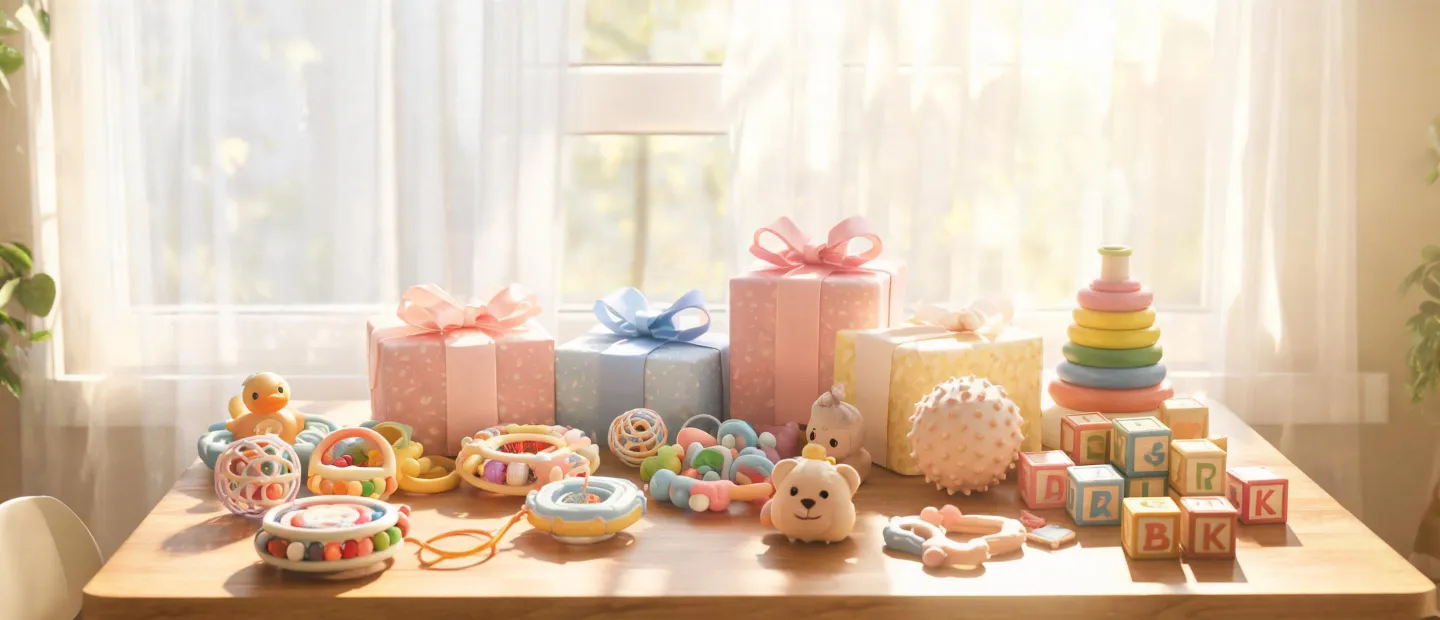
In baby and toy shopping, the useful vertical is not an industrial market; it is the child in front of you. Sassy organizes recommendations around newborn calm, toddler motion, preschool curiosity, big kid confidence, and the gift moments where relatives need a clear answer quickly.
High-contrast, soft, and graspable pieces help new families add play without overwhelming early routines.
Bead chases, stacking, bath play, and active pieces support children who want cause and effect all day.
Simple problem-solving toys and pretend play help older children practice language, sorting, planning, and sharing.
Inflatables and active play equipment create larger movement moments while keeping family supervision practical.
Teethers, bibs, bottles, and first feeding pieces make useful gifts when paired with a small sensory toy.
Stage labels, color cues, and routine-based product groupings help relatives choose confidently from a distance.
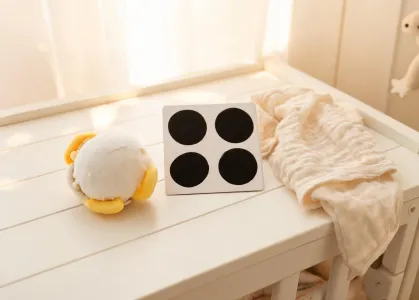
Look for soft textures, strong contrast, gentle sound, safe mouthing surfaces, and shapes that reward early grasping.
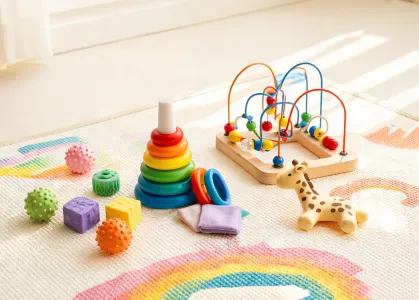
Choose toys that repeat a clear action, invite walking or reaching, and let the child discover control through movement.
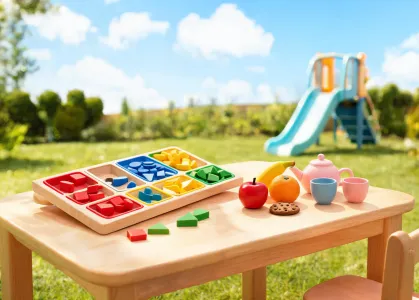
Add storytelling, sorting, matching, early STEM, and shared-play opportunities that stretch attention without making play feel like school.
Choose the lower age stage when safety is uncertain, then favor toys that stay useful as the child grows. Sensory pieces, teethers, and soft activity toys often bridge nearby months better than narrow skill toys.
Practical gifts connect play with care. A small sensory item paired with a feeding or teething essential gives parents something joyful and something they can use during a routine they repeat every day.
Start with supervision space, age range, and storage. Outdoor equipment should match the child's coordination and the family's setup before color, size, or novelty drives the choice.
Yes. Age and occasion pathways reduce hesitation at the shelf because the shopper sees the intended recipient first. The same structure works online for category tiles, gift guides, and seasonal displays.
Use the recipient path, browse products, or ask us for a product direction by age, occasion, and routine.