Look and listen
Choose high-contrast visuals, soft rattles, gentle crinkle, and easy caregiver interaction. The product should support tummy time, bonding, and calm attention rather than complex manipulation.

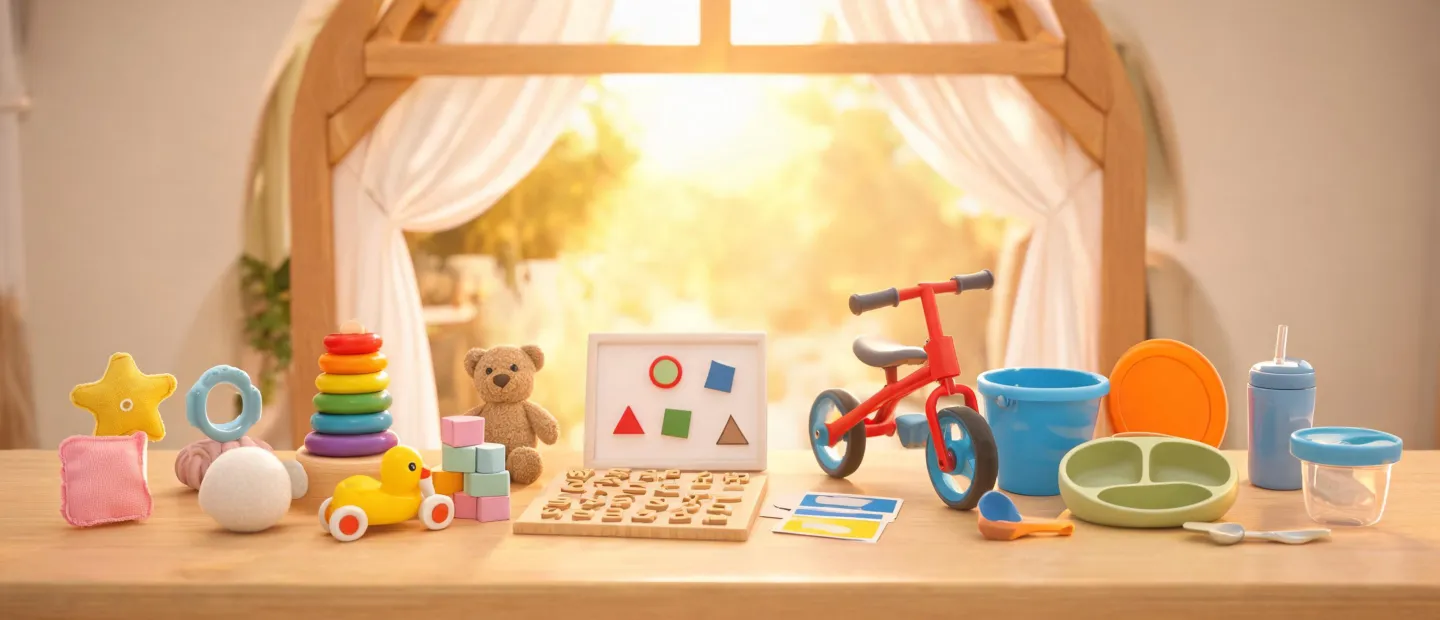
The easiest Sassy choice begins with age, then routine, then the skill a child is practicing right now. This guide turns those three questions into a calm path for parents, gift buyers, and retail teams who want the right toy or care item without sorting through every product at once.
Choose high-contrast visuals, soft rattles, gentle crinkle, and easy caregiver interaction. The product should support tummy time, bonding, and calm attention rather than complex manipulation.
Teethers, graspable textures, spinning motion, and simple cause-and-effect toys help babies practice control while parents watch material contact and cleanability closely.
Toddlers need stacking, dropping, sorting, bath play, and first outdoor movement. Repetition is not boring at this stage; it is how confidence and coordination grow.
Preschoolers benefit from early STEM, pretend play, simple rules, and shared activities that let them explain what they are doing while they build new language.
Older kids can handle more planning, bigger movement, and longer play sessions. Outdoor equipment, construction sets, and active family games become stronger fits.
Ask what the child can almost do: focus longer, grip better, chew safely, stack higher, move farther, or name more objects. A useful product gives that next skill a visible place to happen.
Best for sensory toys and early STEMPlay does not happen in a blank room. Consider stroller time, bath time, feeding time, floor time, backyard time, and travel. The right item survives the routine it is meant to improve.
Best for feeding care and teethersA parent or gift buyer should be able to explain why the item was chosen in one sentence. When the purpose is that clear, the product is easier to use, gift, display, and reorder.
Best for gift sets and displaysAge guidance keeps safety and skill expectations realistic, especially when choosing for a child outside your home.
Soft edges, varied surfaces, and food-grade contact materials matter most when babies explore with hands and mouths.
Spin, squeeze, stack, shake, sort, crawl toward, or pretend with the item. A clear action makes the play value easier to see.
Cleanability, storage, and portability often decide whether a product becomes a favorite or stays in the box.
Age, skill, routine, and material expectations narrow the choice quickly.
Educational toys, outdoor play, and feeding care cover the core family routines.
When in doubt, choose the product that fits the current routine most clearly.
Browse the catalog, compare the stage roadmap, or ask Sassy for a calm recommendation before you buy or build a display.