Built for development
Every recommendation starts with a real skill: tracking, grasping, mouthing, stacking, naming, balancing, or shared pretend play. Sassy keeps that benefit visible so a family can understand why a product belongs in the basket.

Sassy is shaped around a simple belief: parents deserve baby toys and care products that make sense at a glance. The brand voice stays warm and dependable, but the work behind it is careful, practical, and focused on how children explore through touch, sound, movement, feeding routines, and repeated family use.

Every recommendation starts with a real skill: tracking, grasping, mouthing, stacking, naming, balancing, or shared pretend play. Sassy keeps that benefit visible so a family can understand why a product belongs in the basket.
Baby products have to earn trust before they earn attention. Material contact, small-part awareness, soft edges, cleanability, age grading, and clear instructions all shape the way Sassy presents toys and care items.
A product that works only in a perfect photo will not help a tired parent. Sassy favors durable textures, simple storage, quick cleaning, and repeatable play patterns that fit the rhythm of kitchens, nurseries, strollers, and backyards.
The earliest Sassy story centers on products babies can notice, hold, mouth, and return to. High contrast, texture, and gentle movement became more than decoration; they became the first layer of useful play.
Families needed the same plain guidance around teethers, bottles, bibs, and first tableware. Sassy widened its language to connect care routines with the same dependable age-stage thinking used for toys.
As children move from floor play to bigger coordination, outdoor and inflatable options help families plan energy safely. The range now supports quiet discovery and bigger movement without treating them as separate worlds.
Today Sassy focuses on helping parents and retail partners answer one practical question quickly: which product fits this child, this routine, and this moment of growth?
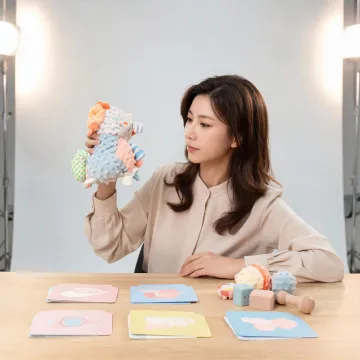
They translate skills like grip, tracking, and early problem-solving into product language families can actually use.
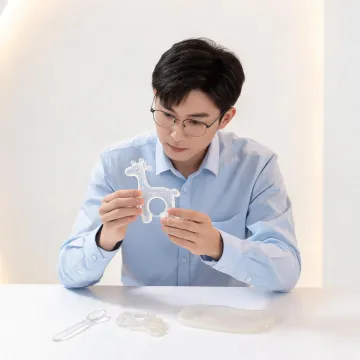
They look at material contact, part size, cleaning expectations, and age grading before guidance reaches shoppers.
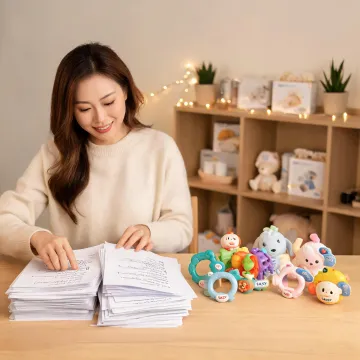
They keep feedback close to the product path, especially when parents ask what to choose next.
"The age cues helped me pick a gift without guessing whether it would be too advanced."
Baby shower shopper
"I could tell which toys were for tummy time, teething, and sitting play without reading a long manual."
New parent
"The product mix made it simple to create a display around routines instead of just categories."
Retail buyer
Share the age stage, product family, or parent concern you are solving. We will help connect the question to sensory play, feeding care, or outdoor activity options.